
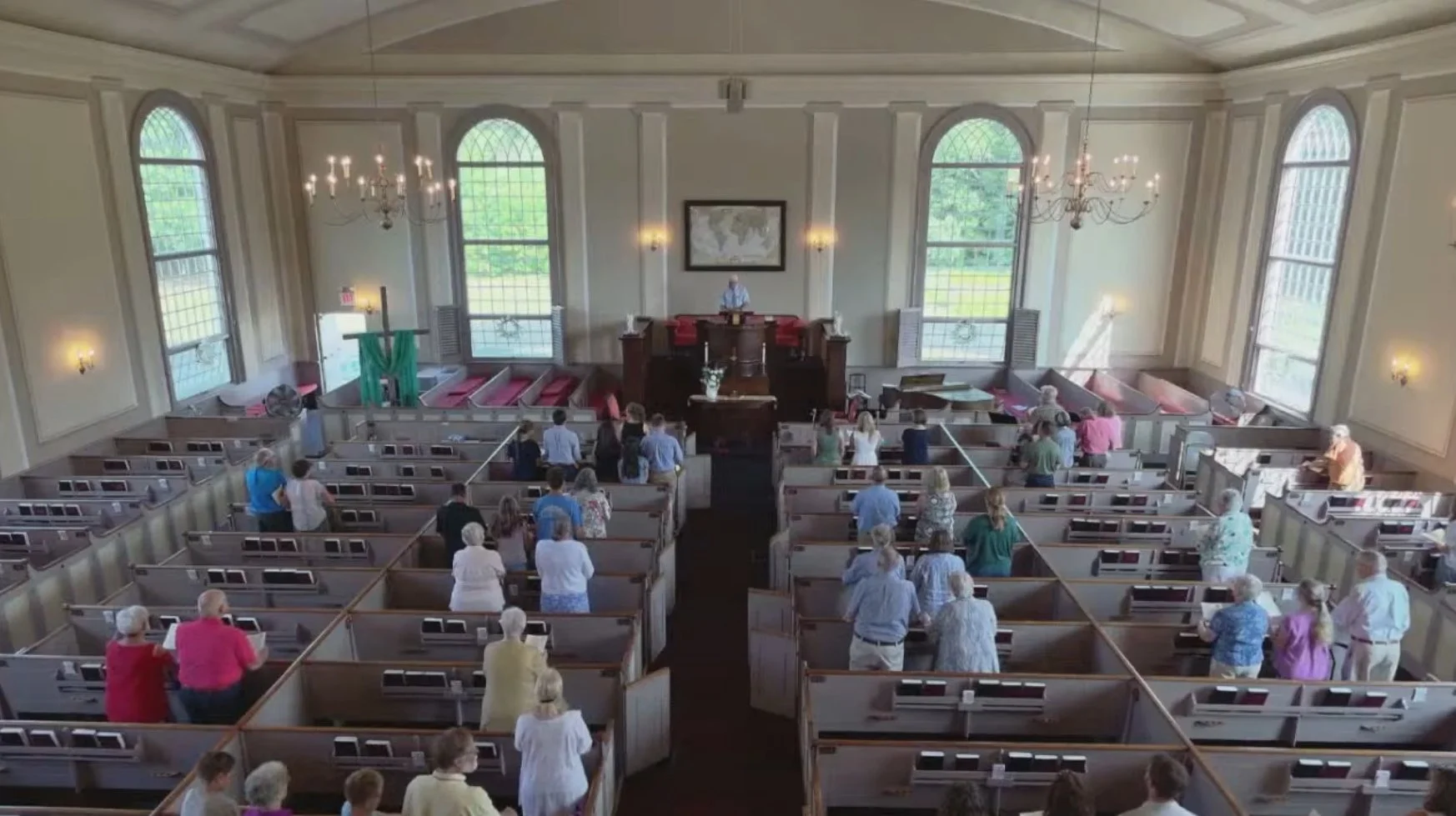
You might know us as “that big white church” on Plympton St/Route 105.
Since 1694, the Church at the Green has been a beacon of faith in Middleboro. Today, we continue to worship God with a passion for the Gospel and its transformative power in our lives.
worship at 9:30am. Prayer and sunday School at 11:00am.
6 Plympton Street, Middleboro, Massachusetts
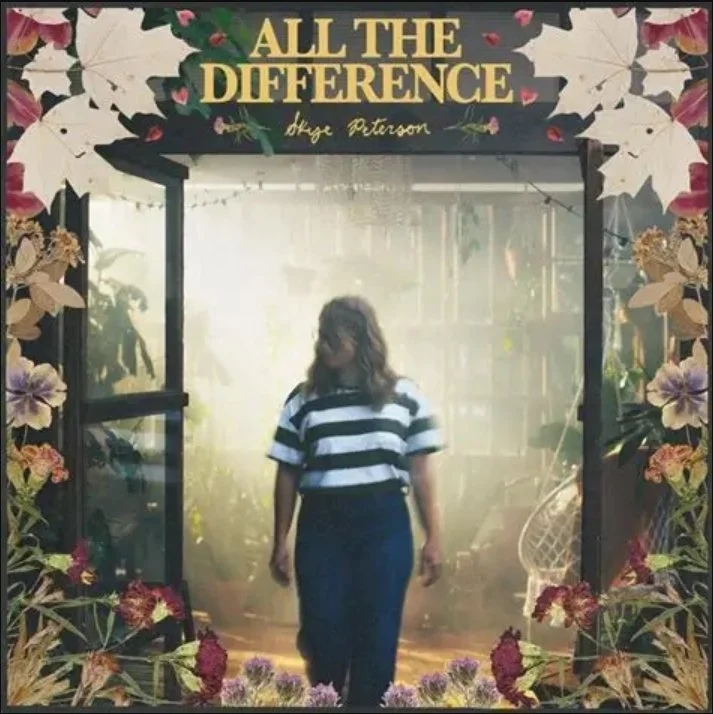
Skye Peterson - Middleboro September 25
Join us for an evening of music with Skye Peterson, a gifted Christian singer-songwriter known for her warm, folk-inspired sound and thoughtful, honest lyrics. With songs like I Am Not My Own, More and More Beautiful, and Hey Doubter, Skye weaves together beautiful melodies and meaningful reflections on faith, hope, doubt, and the grace found in everyday life. Come enjoy an evening of music that encourages the heart and points us toward Christ.
7:00 pm at the Alley Theater, Middleboro, MA
$15 tickets
Venmo: @Christine-Kidney-1
during the Week
-
On Monday evenings and Friday afternoons in Cummings Chapel (the small white building behind the sanctuary), women of all ages and stages of life are invited to study God’s Word together.
Mondays, 7:00 to 8:00 pm
Fridays, 3:30 to 4:30 pm
-
Mondays, 7:00 to 8:00 pm
This study for men runs at the same time as the women’s Bible study. Men of all ages and stages of life are invited to read God’s Word, to discuss, to grapple, to seek truth, to pray, and to support one another.
All are welcome.
-
Tuesdays, 2:00 to 3:00 pm
For several years, our church has been tremendously blessed by a relationship with residents at Riverview Apartments in Middleboro.
On Tuesdays, we bring the Bible study, and they bring awesome fellowship. All are welcome to join us.
-
Wednesdays, 9:30 am
On Wednesday mornings, this devoted group of women share prayer concerns and bow their heads together.
All are welcome. We’d love to pray with and for you.
-
Thursdays - 8:00 am Personal Prayer; 9:00 am Prayer led by Pastor Matt
Prayer was an anchor of Jesus’ life and ministry, and following His example, it should be the foundation of ours.
Join us on Thursday mornings for quiet, personal prayer in the church sanctuary at 8:00 am, followed by corporate prayer led by Pastor Matt at 9:00 am.
This is a special time set aside in God’s house to pour out your needs and concerns to Him.
-
Sundays, 6:00 to 8:00 pm
Students in grades 6 to 12 are invited to a weekly evening of fellowship, mentorship, and Bible study.
Together, we study God’s word, talk openly, and have a lot of fun (i.e. food, games, camp retreats, all-nighters, and special traditions).
All are welcome.
watch online
Traveling? Sick? Live far away?
Join us YouTube on Sunday mornings at 9:30am or catch up on past sermons anytime.
FAQs
-
Our church follows the Reformed Protestant tradition. In simple terms, this means that we believe that people are saved by faith alone in God alone by grace alone. We believe that people are sinners, but that by acknowledging this reality and by turning to God for forgiveness, we can experience true personal and spiritual freedom.
Read more about what “Who We Are"
-
Our pastor, Matt Carpenter, was called to Middleboro in November 2024. He was born and raised in northern Alabama, where his father was a Southern Baptist pastor.
After graduating with a degree in education, Matt taught history, American government, and economics for fifteen years and was ordained to preach when he was twenty-four.
Matt served as a Baptist pastor for seven years and later served in the same capacity at a couple of Presbyterian churches for six years.
Matt and his wife Amanda have four children: Phoebe, Simeon, Emma, and Olivia. Their family enjoys reading together, as well as hiking, music, and cooking.
Some of his favorite authors are C.S. Lewis, P.G. Wodehouse, Russell Kirk, Wendell Berry, Robert Capon, James Herriot, St. Augustine, and M.R. James.
-
Children of all ages are warmly welcome! On Sunday mornings, we offer nursery care (ages 0-3) during the worship service, beginning at 9:30 am.
Sunday School for all ages starts at 11:00 am, and Youth Group (grades 6-12) meets on Sunday evenings at 6:00 pm.
-
Visitors are welcome each and every Sunday. Worship begins at 9:30 am.
Park anywhere in the large parking lot surrounding the church. Enter by the main doors or use the handicap ramp at the back of the building. A greeter will shake your hand and help you find a seat.
Our church service is traditional. You will hear a mix of old and new hymns. We celebrate communion the first Sunday of each month.
Our community is casual. Please feel welcome to wear your everyday clothes.